Window shutters look good, provide privacy, and are one of the most durable window treatment options, but they are not without issues. Over time, you can expect warping panels, broken louvers, or even shutter frame damage.
This guide breaks down common problems with window shutters and solutions to fix them.
Warping Panels in Wood Shutters
Wood shutters look good, but they are difficult to maintain. If you don’t take care of them well, there’s a chance they warp over time because of humidity and temperature fluctuations.
Causes of Warping Panels
- Moisture: Wood naturally absorbs water. If your shutters are installed near bathrooms or kitchens where the humidity would be high, there’s a higher chance they warp.
- Temperature changes: Humidity and other changes in the weather can cause warping.
- Installation issues: If your shutters weren’t installed properly, the panels can warp over time as you open and close your shutters.
How to Fix Warping Panels
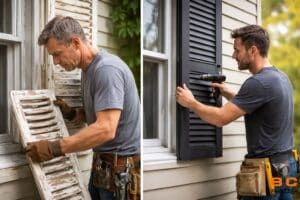
To fix warping panels, you should first remove your shutters.
For minor warping, you can just lay the panel on a flat surface and gently press the warped area so it comes back to shape. If that doesn’t work, you can place two or three heavy books on the spot and leave them for a day.
You need to completely replace the panel for multiple splits, large cracks, or anything major.
Broken Louvers
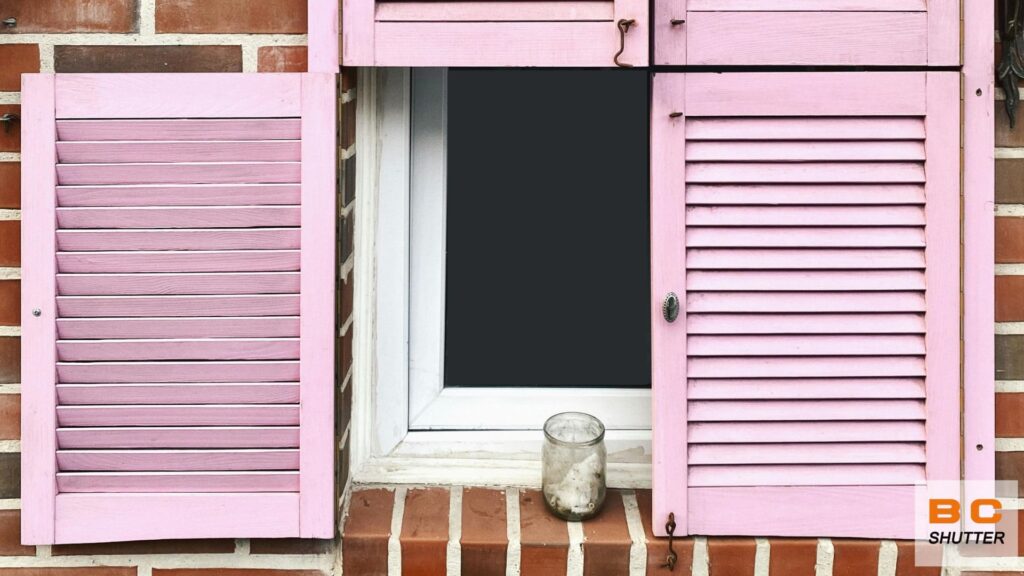
Louvers are one of the most used parts in shutters. Over time, they can break because of wear and tear or even as a result of forced operation.
Causes of Broken Louvers
- Regular wear and tear: It’s common for louvers to break in shutters that are more than 15 years old.
- Pets chewing: Your cat can chew or scratch your shutter louver just out of curiosity or when trying to look outside. Wooden and aluminum shutters are usually strong enough to withstand pet damage.
- Forcing operation: If your shutters are stuck and you try to open or close them, that can cause the louvers to break.
How to Fix Broken Louvers
You don’t have to remove your entire shutter to replace broken louvers. Follow these steps:
- Use pliers to cut the staple connecting the louver to the tilt rod. It’s tiny, so keep it safe to avoid losing it.
- Push the louver slightly backward to remove it.
- Pull out the damaged spring-loaded pin and replace it with a new one.
- Insert the replacement louver from behind. Attach it to the opposite side first (normal louver pin) and then to the spring-loaded pin.
- Thread the staple into the tilt rod and then into the pre-drilled holes of the louver. Use pliers for this.
Yellowing in Vinyl Shutters
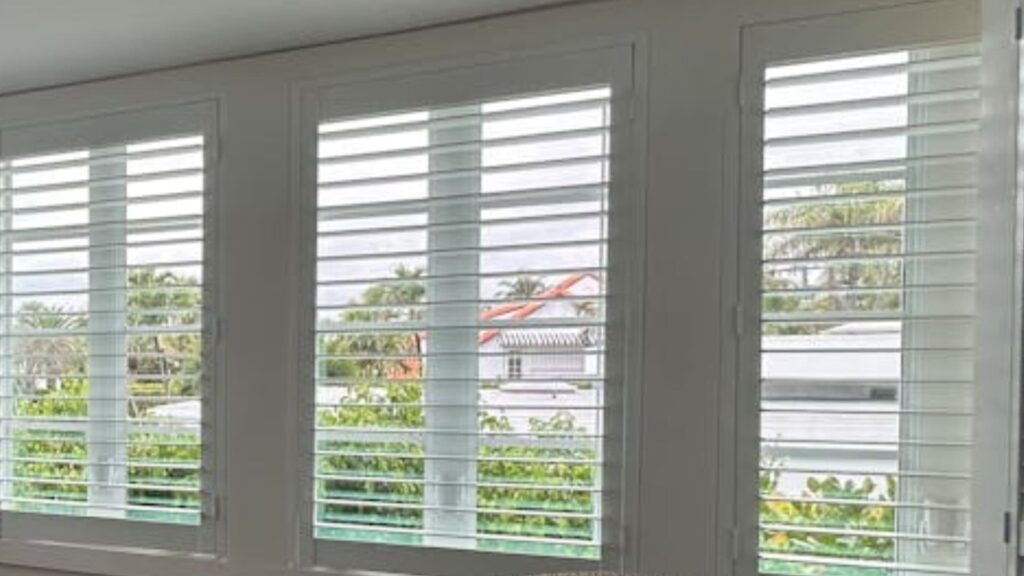
Vinyl shutters are a cost-effective option, but if it’s been more than 10 years since you installed them, they can turn yellow because of chemical breakdown that’s caused by prolonged exposure to sunlight.
Causes of Yellowing in Vinyl Shutters
- Sun damage: Exposure to sunlight is the primary cause of yellowing in vinyl shutters. The UV rays first damage the protective coating, and once it’s gone, the rays slowly damage the paint and cause it to yellow.
- Material quality: All vinyl shutters turn yellow over time, but cheaper ones have a lower quality protective coating, so they turn yellow much faster.
- Extreme temperatures: High heat or humidity can accelerate the yellowing process.
How to Restore Faded Vinyl Shutters
You can restore the yellowing in your vinyl shutters if it’s minor. Follow these steps:
- Take your shutter out and clean it with mild soapy water.
- Let it dry completely and lightly sand it with a fine-grit (180–220) sandpaper to smooth the surface.
- Apply a good-quality primer. However, if your shutter has an oil-based paint and you’re repainting with a latex paint, you need to sand it further before priming to remove any gloss.
- Apply two coats of high-quality paint.
The cost of sanding, priming, and painting vinyl shutters adds up and is almost equal to replacing them. If the yellowing is heavy and it’s been many years since you installed your shutters, replacing them is a much better option.
Hardware Failures
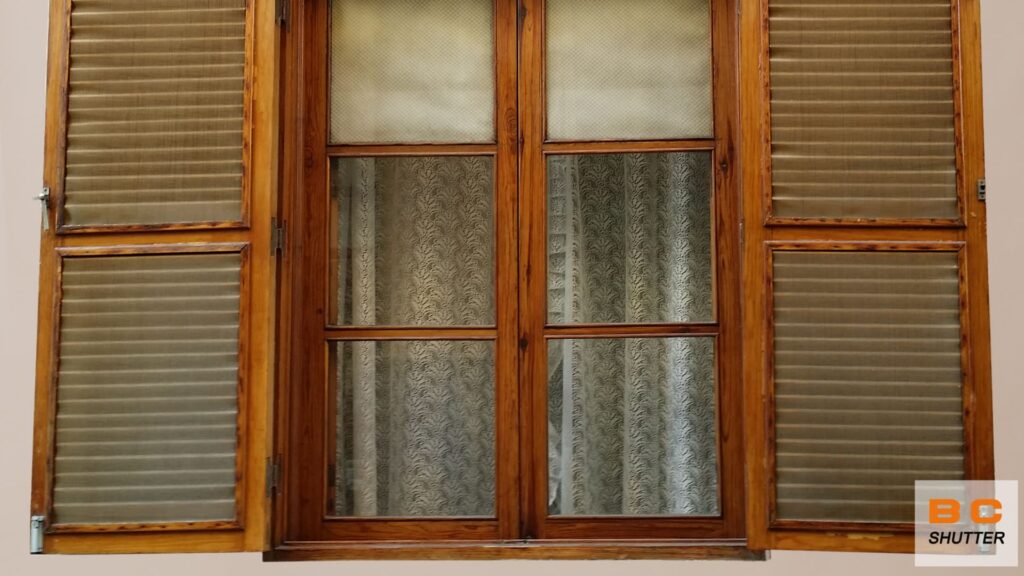
Hardware failures are very common in shutters. If you suddenly notice that your louvers are sagging or your shutters refuse to close, don’t panic. It might be just a small screw that’s causing the problem.
Causes of Hardware Failures in Shutters
- Wear and tear: As you keep using your shutters, the hinges, joints, and tilt rods can naturally wear out.
- Improper installation: Using the right hardware or installing the shutters incorrectly can cause hardware failure.
- Lack of maintenance: You should lubricate the moving parts in your shutters at least every 3 months. If you don’t, it can lead to premature wear.
How to Fix Hardware Failures in Shutters
The fix for hardware failures depends on what’s broken. Here are the fixes for common hardware failures in window shutters:
- Broken louver pin: If your louvers are sagging suddenly for no reason, it’s probably that the louver pin is broken. You just need to take out the broken pin and replace it with a new spring-loaded pin. If necessary, drill a small, ¼-inch pilot hole.
- Detached tilt rod: The small staple that connects your louver to the tilt rod is the culprit behind why your louvers are detached. Use pliers to cut the existing staple. Once done, thread the new staple into the tilt rod and then into the pre-drilled holes in your louver.
- Sagging panels: Over time, your shutter panels can sag as you open and close them. To fix them, you just have to tighten the screws.
- Loose louvers: If your louvers won’t stay open, tighten the screws on the side of the shutter panel.
Visible Shutter Frame Damage in Wooden Shutters
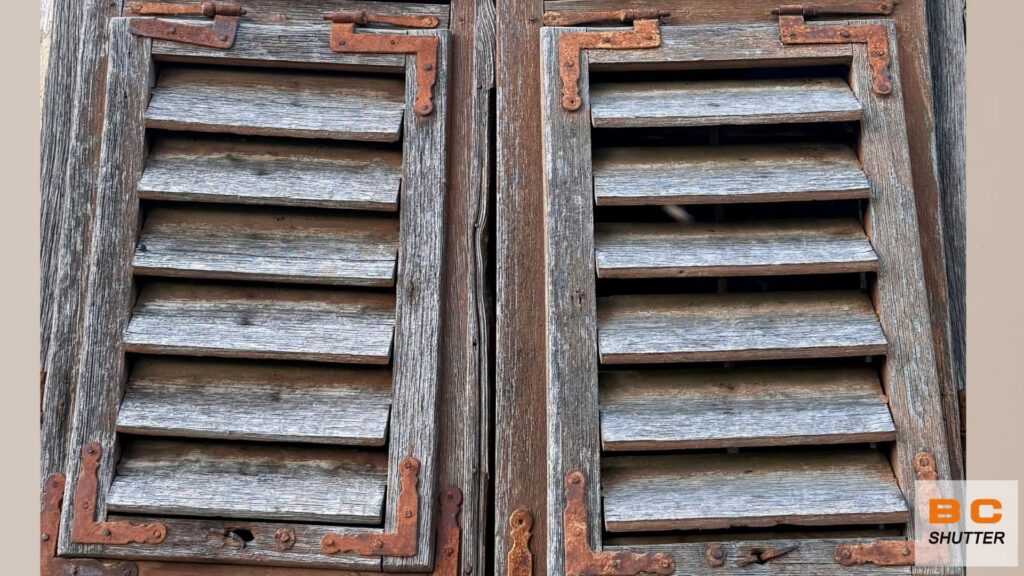
If your wooden shutters are older than 15 years and have been exposed to moisture continuously, they can warp, rot, or crack. You can repair smaller damage, but if it’s severe, you need to replace your shutters.
Causes of Visible Shutter Frame Damage
- Warping: Excessive moisture can cause wooden shutters to warp. Minor warping is normal, but if you don’t fix it and let it grow, your shutters can start to malfunction.
- Cracks: If the paint is peeling on your wooden shutters, make sure to check if there are any cracks or splits. Fixing the cracks early can save you money.
- Rot: Wooden shutters can rot because of long-term moisture exposure. If your shutters are rotted, you need to replace them.
How to Fix Visible Shutter Frame Damage
If the warping is minor, you can place your shutter on a flat surface and press it gently to bring it back to shape. Severe warping needs replacement.
To fix cracks, remove your shutter first, clean it, and then apply wood filler. Once it dries, sand it down to smooth the surface and repaint your entire shutter. Major cracks require replacement.
Motor Failure (in Motorized Shutters)
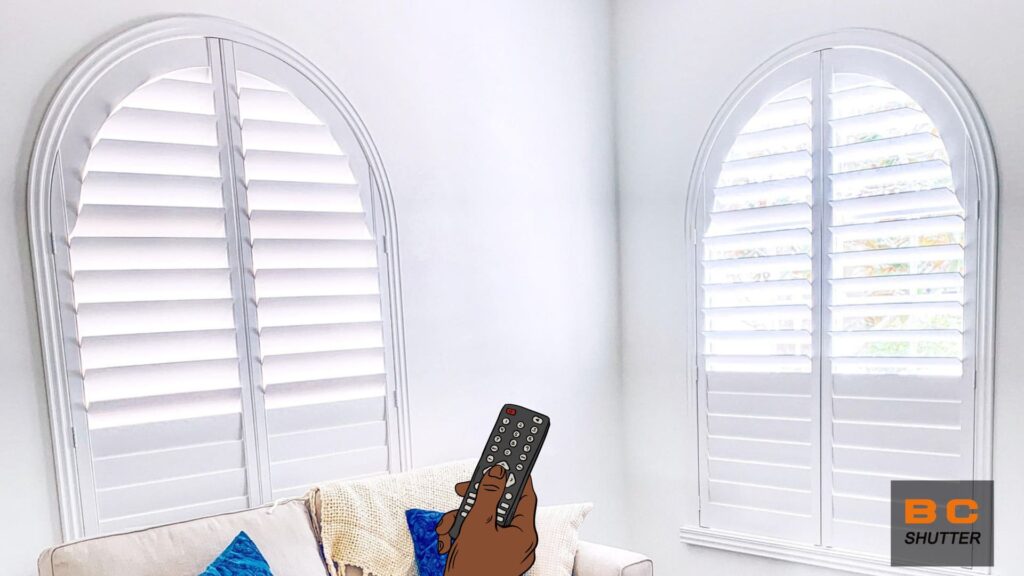
Motorized window shutters are convenient, but the motor can get faulty if you don’t use them the right way.
Causes of Motor Failure
- Frequent operation: If you keep operating the motor of your shutters frequently, especially during the summer, it can overheat and may cause the motor to stop.
- Electrical issues: A blown fuse may be why your motor isn’t working.
- Mechanical wear: If it’s been more than 10 years since you installed your motorized shutters, it could just be natural wear and tear that’s preventing it from working properly.
How to Fix Motor Failure
Repairing motor failure is something that should be handled by a professional. If you try to play around with the electricals without much experience, you risk getting shocked.
Improper Packaging During Transportation
Your shutters can get damaged if they are not packaged properly during transportation. Some suppliers use oversized boxes or just don’t add enough cushioning. All of them can damage the shutters even before they reach you.
That’s why it’s important to purchase shutters from the right supplier. At BC Shutters, we use strong wooden cartons to transport shutters. They are also well-cushioned inside, so you don’t have to worry about broken louvers or damaged panels.
If you’re planning to purchase wood, vinyl, or composite shutters for your home or business, contact BC Shutters. We have been in business for more than 10 years.
FAQs
Can you DIY repair shutters or hire a professional?
You can DIY minor repairs like replacing louvers, painting your shutters, or even fixing warped panels. Even if you need to replace your interior shutters, you can do it yourself.
However, if there’s any repair on the exterior and you don’t have experience working on ladders, it’s best to hire a professional.
Should you repair your shutters or replace them?
It depends on how severely your shutter is damaged. You can repair your shutters for small cracks or hardware issues. However, you need to replace it if it’s major structural damage.
Check out our guide on: Should You Repair or Replace Your Window Shutters?
What’s the most durable shutter material?
Aluminum shutters are the most durable. However, they don’t look as good as interior shutters. Wood and composite wood shutters look good on the interiors while being durable enough.
For more information, check out our article on How Long Do Window Shutters Last?
What’s the best shutter material for humid areas?
Vinyl, composite wood, and aluminum are the best shutter materials for humid areas. They don’t warp, rot, or be infected by mold because of moisture.
The Final Word
Shutters look good, improve privacy, and help you control the amount of light entering your room. But if you don’t maintain them properly, they can lead to issues.
It’s also important that you choose the right supplier to buy your shutters, so your shutters don’t arrive at your home damaged. BC Shutters offers wood, vinyl, and composite shutters in various styles. We have been in business since 2015 and have happy customers all around the world.